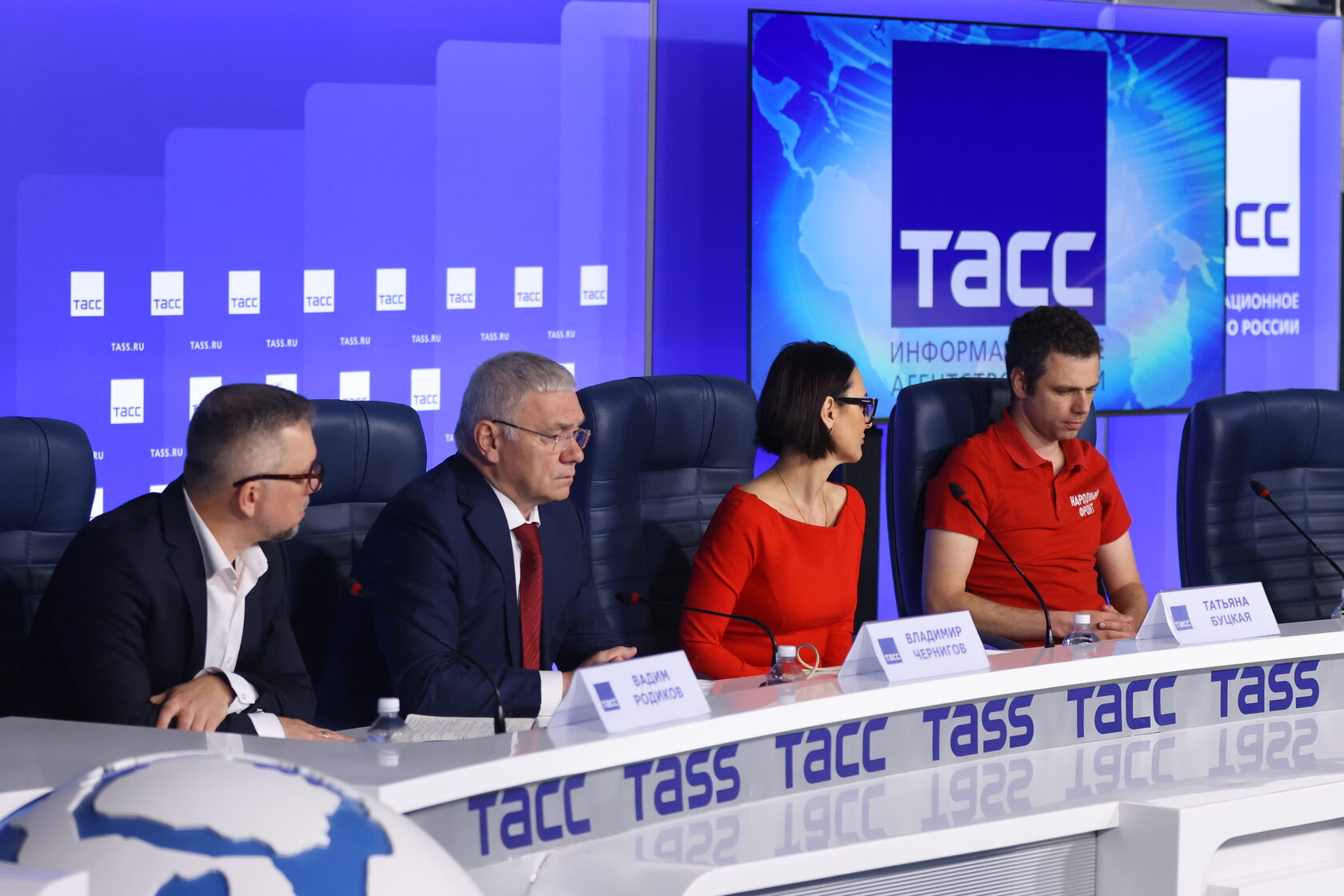
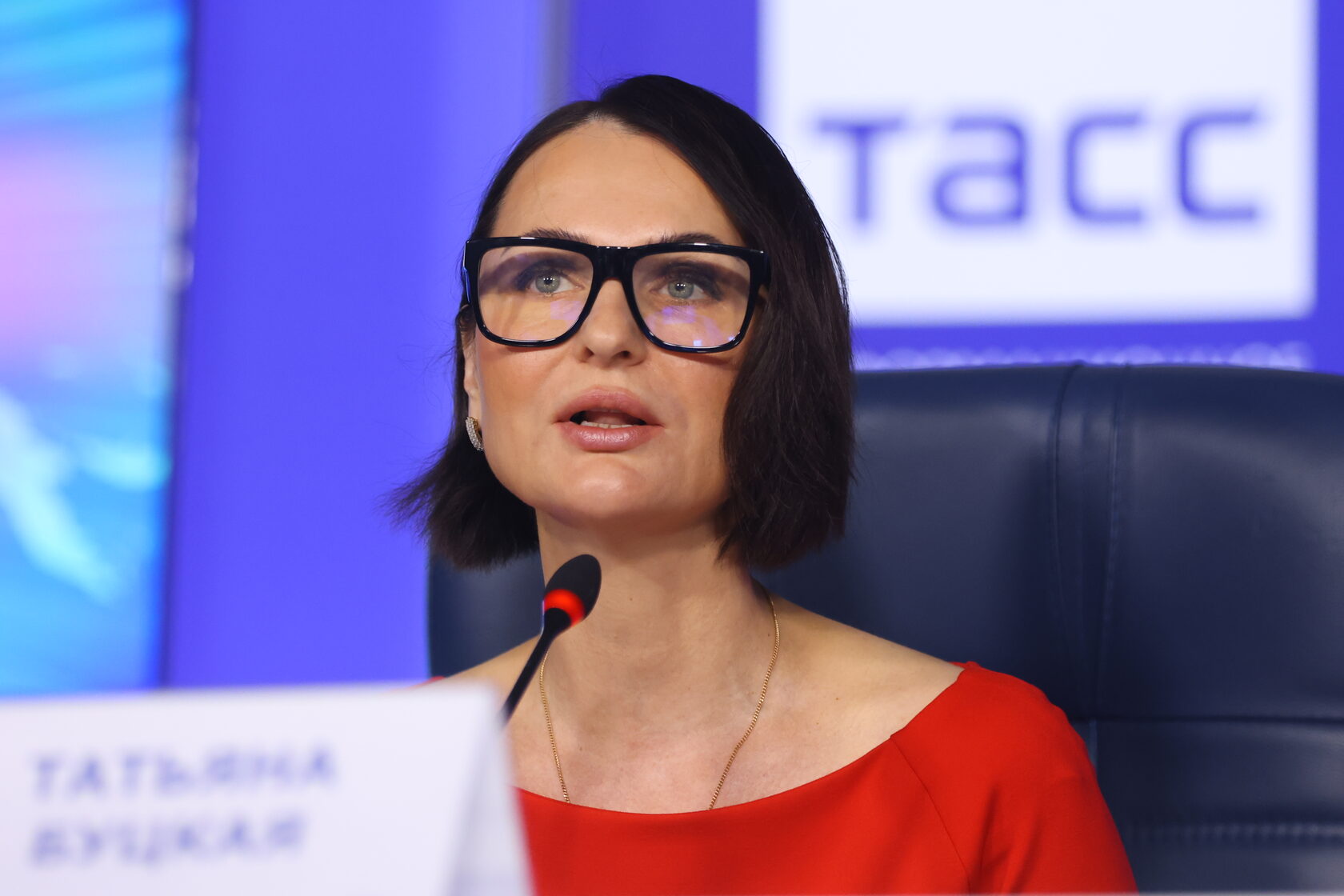
Tatyana Butskaya, First Deputy Chair of the State Duma Committee on Family Protection, Fatherhood, Motherhood and Childhood, presented an overview of the current legal framework governing social and school feeding. She stressed the need for systemic changes and faster reforms, noting that it is especially important today to avoid fragmenting the goals of the transformation process and instead focus on building a comprehensive and coherent model.
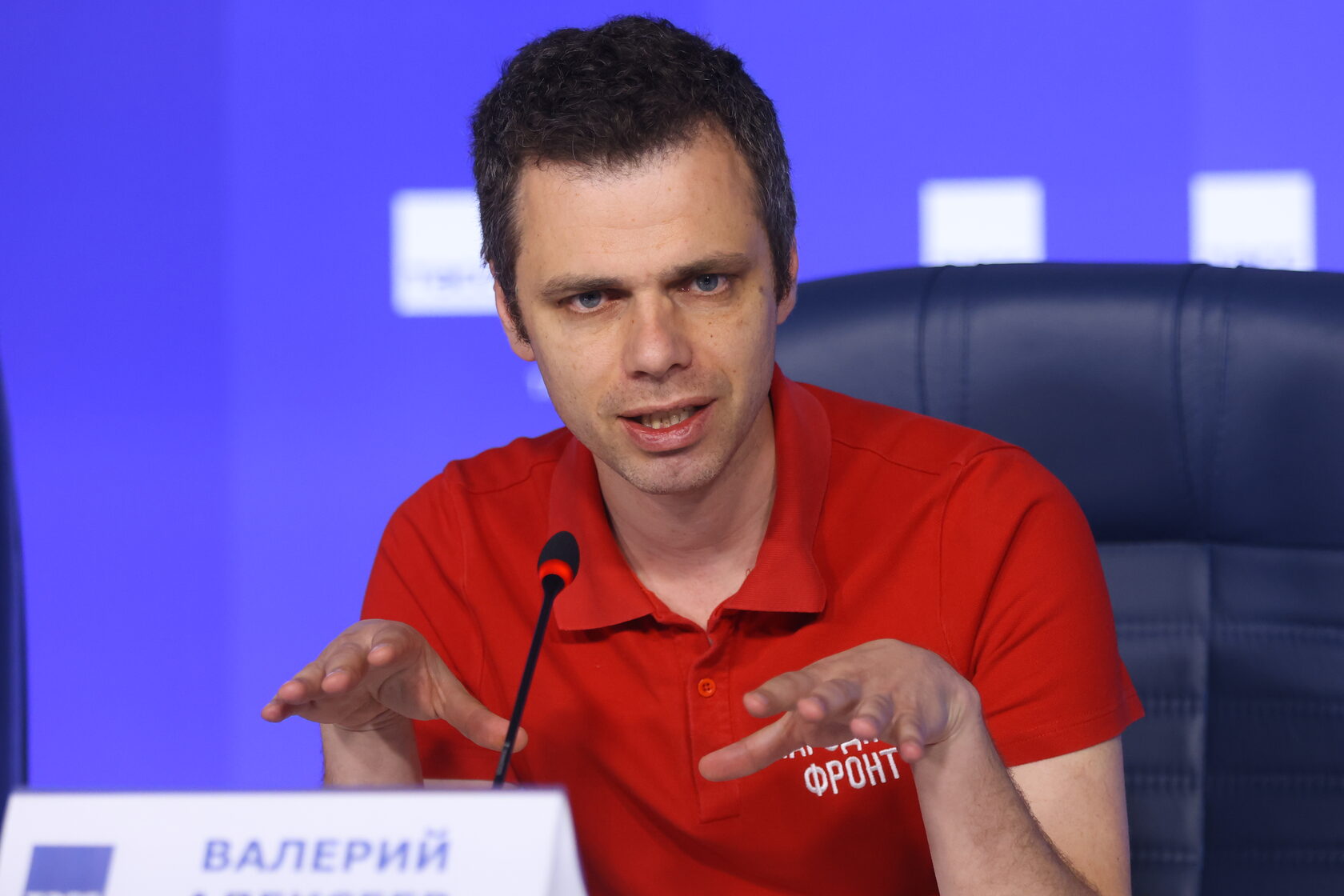
Valery Alekseev, Head of the Popular Front Investigation Bureau, spoke about the work of regional Coordination Centers for School Feeding and pointed out that Presidential Instruction No. Pr-1418, concerning the clarification of responsibilities in the organization of school meals, has still not been implemented.
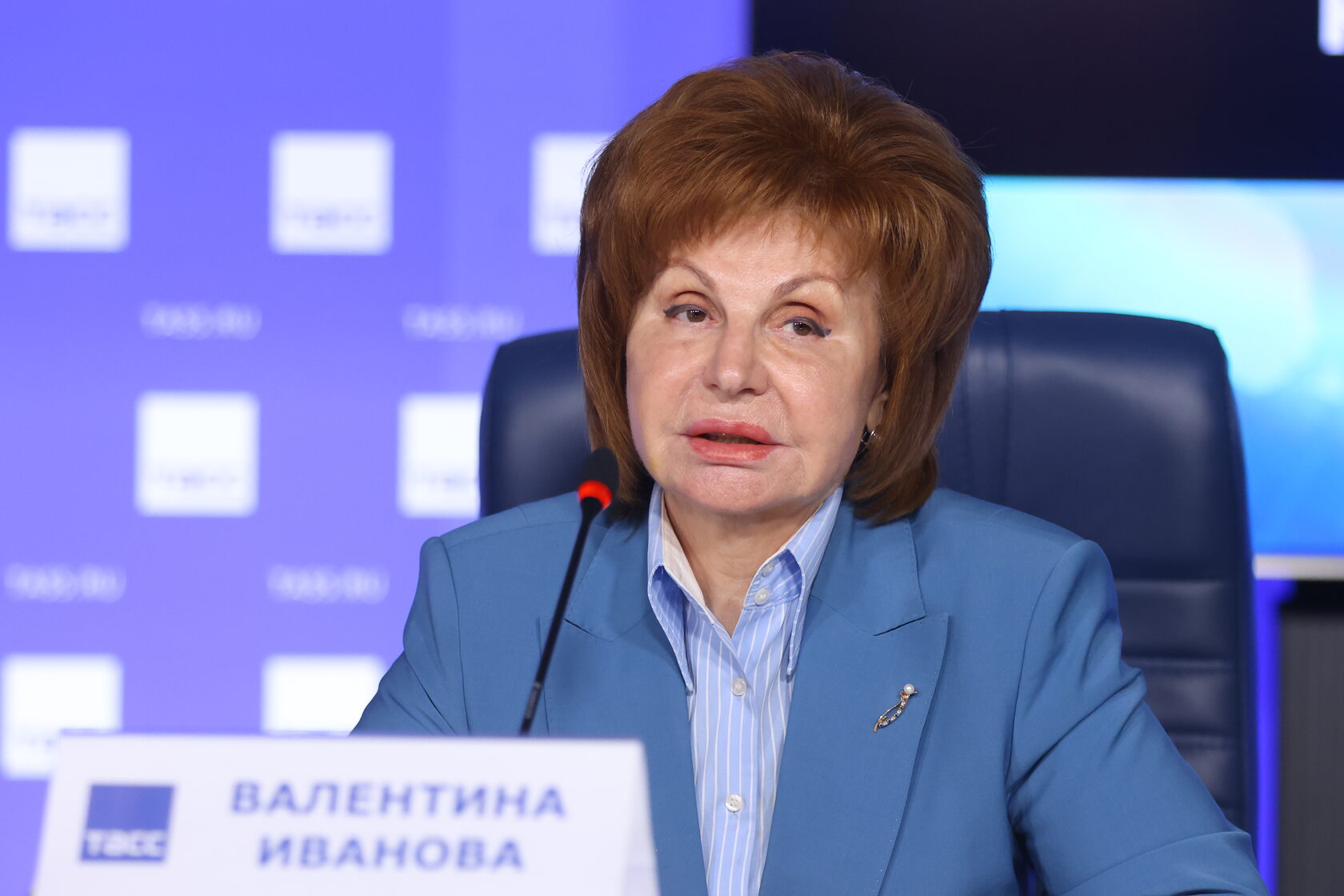
Valentina Ivanova, Director of the Federal Center for School Feeding Monitoring under the Ministry of Education of Russia, presented the results of the 2025–2026 school year monitoring survey on satisfaction with school meals. Her presentation included a comparative analysis of different meal provision models, both those managed directly by educational institutions and those operated through outsourced catering companies.
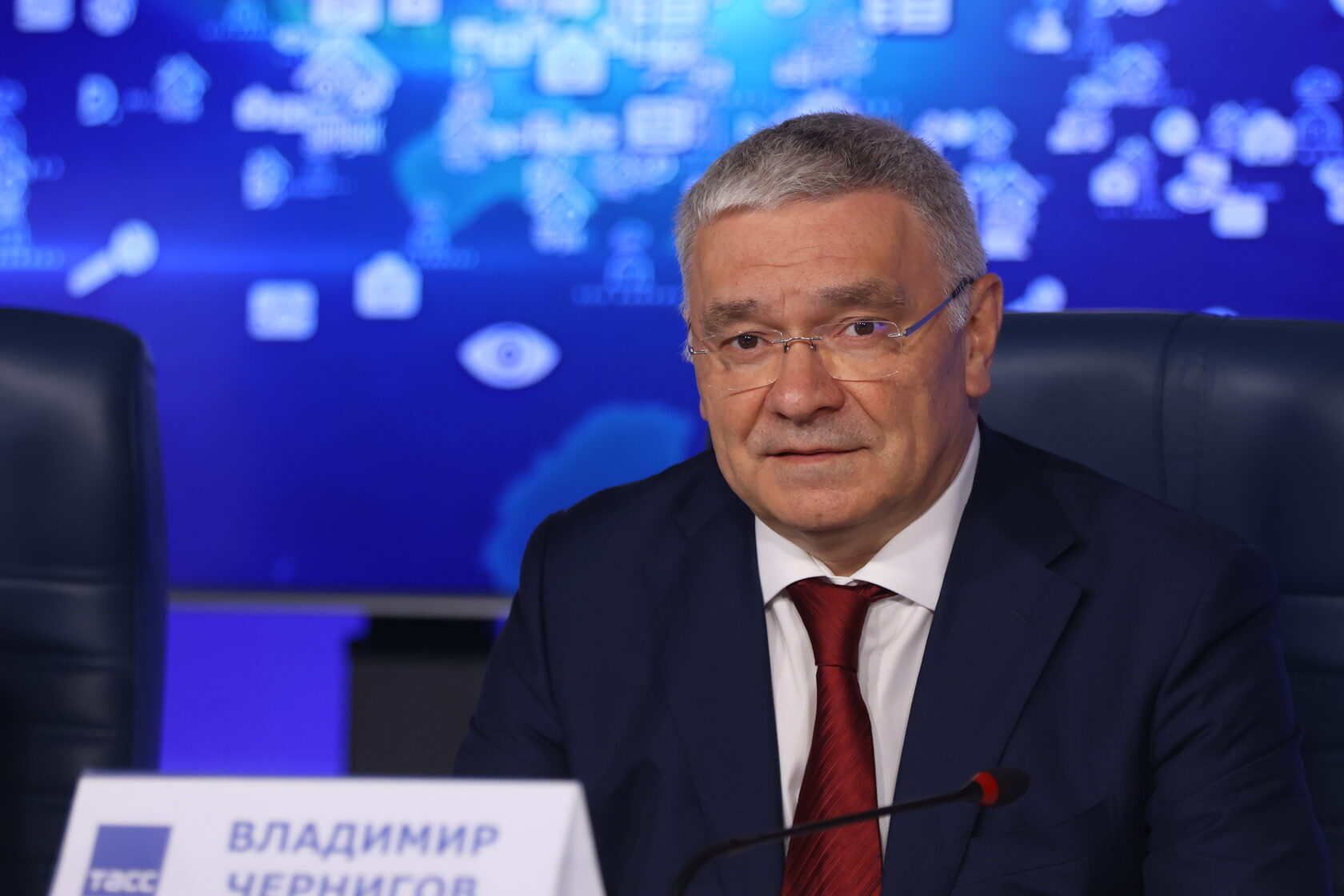
Vladimir Chernigov, President of the Social and Industrial Foodservice Institute (SIFI), the CIS Base Organization for School Feeding, outlined the key systemic challenges facing the sector. He noted that existing financing mechanisms cover only the cost of food products, while expenses related to staff salaries, equipment upgrades, sanitation, and infrastructure maintenance often remain underfunded. As a result, a significant share of costs is offset by reducing the nutritional value and resource allocation of school meals, leaving only around 70% of the funding required to meet established standards.
Vadim Rodikov, Director of the Industry Union for the Development of Social Catering, offered a practical perspective on the current situation. He highlighted labor shortages, non-transparent pricing mechanisms, and existing legal gaps within the sector.
Summing up the discussion, Tatyana Butskaya emphasised that school feeding has once again become a major focus of public attention. At the same time, she noted that many of the proposed initiatives still lack a systematic and well-developed approach. In her view, the sector requires a consolidated state policy and a dedicated authority responsible for its implementation.
“The state is not merely a service provider, but a qualified commissioner of a system aimed at protecting children’s health through nutrition,” she stated.
“The state is not merely a service provider, but a qualified commissioner of a system aimed at protecting children’s health through nutrition,” she stated.